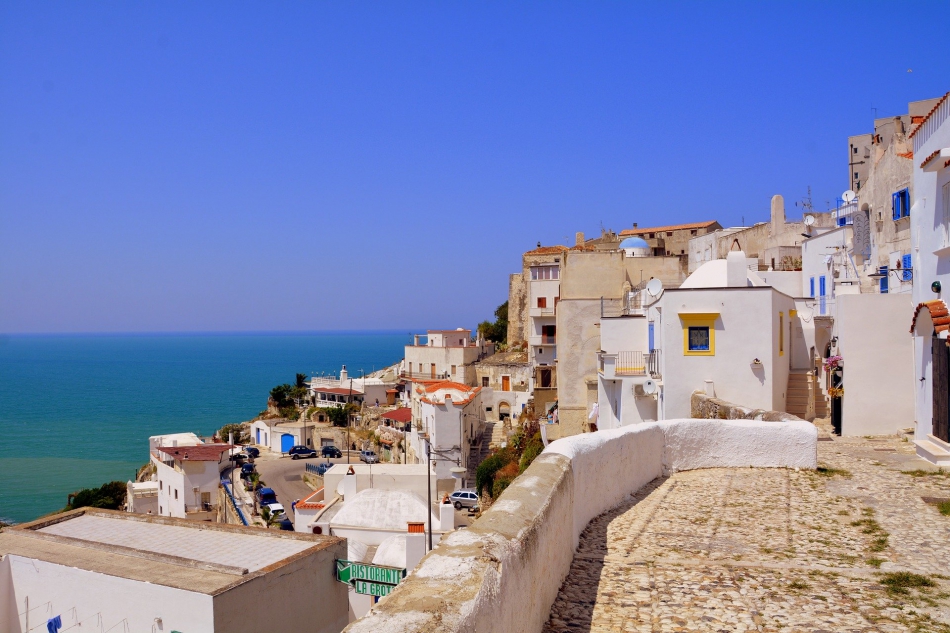
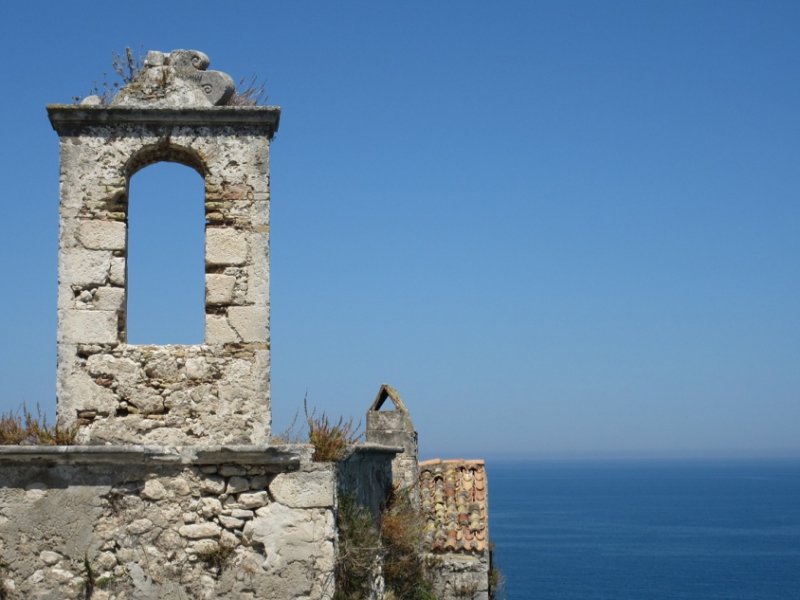
Peschici appears as a fairytale country. A town among the most characteristic of the north coast of the Gargano, overlooking a stretch of coast that differs in the large number of rocky beaches, bays and coves that offer enchanting naturalistic scenarios.
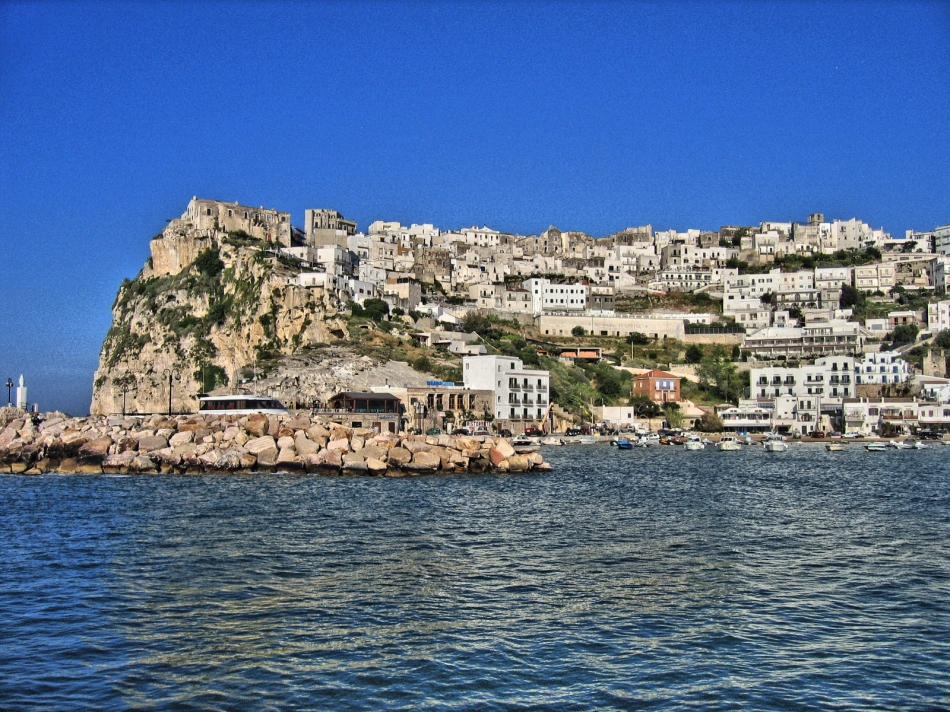
From the port you can see the immense and suggestive majestic cliff rising, overhanging with all its bulk in the sea. They absolutely deserve both the visit of the ancient part of the city and, above all, the boat trip along the coasts and caves of the town
The sea.
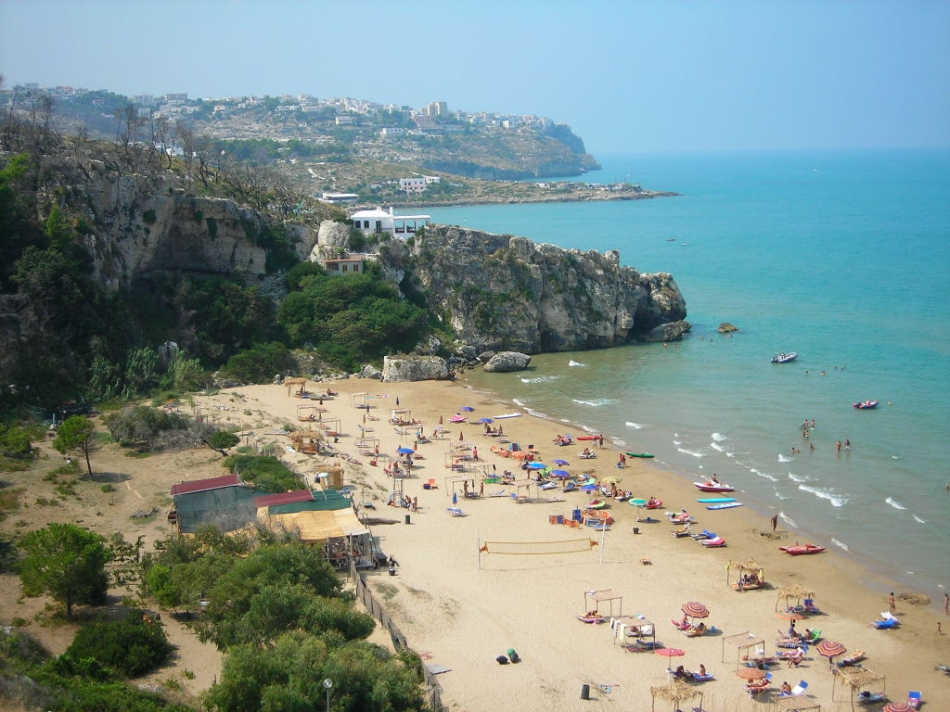
The real attraction are its beaches, of different sizes and characteristics, which displace by their beauty.
Starting from the north, the first beach we meet is that of Jalillo, a small beach in the Peschian dialect. Jalillo Bay is located on a large rock formation that hides it. Of fine sand and gravel. The beach is easily accessed thanks to a walkway that connects Jalillo to the nearby Marina di Peschici. Always chosen for those who love more privacy, it is protected from the southern winds and in the mid afternoon being in the shade offers a pleasant shelter from the summer heat.
The Marina di Peschici, in dialect "a marejn" the marina, is limited by the marina and is surrounded on the right by the rocky ridge on which the town of Peschici is perched and on the left by the tip of Monte Pucci. Of fine crystalline sand it is well equipped with bathing establishments that make it ideal for families with children.
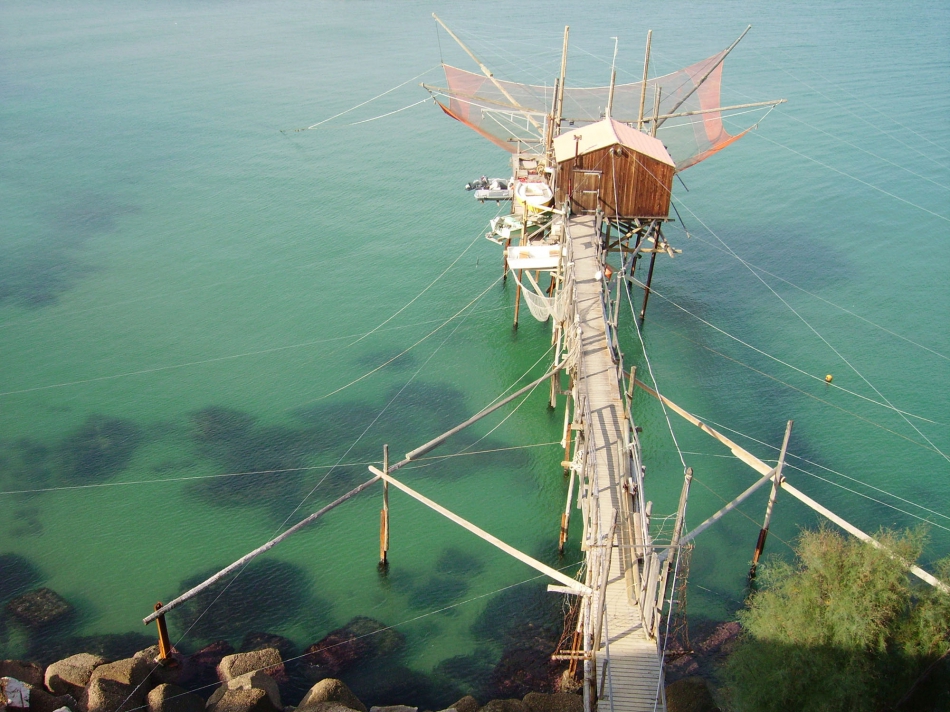
Going on, we find The Bay of Procinisco and the Beach of San Nicola, two beautiful beaches formed by fine sand and clear sea. They are very similar in that they both have a beautiful and traditional Trabucco as their landscape backdrop, an ancient fishing machine that you will find on the entire Gargano coast. Enclosed between two suggestive rocky peaks, they are protected from the winds so that you can enjoy a cool shade in the afternoon.
And again, continuing you come to the enchanting Zaiana Beach. This small beach consists mainly of suggestive rocky peaks that frame it, the privacy that reigns supreme and the possibility, due to the rocky conformation of the cliff and its natural trampolines, to indulge in spectacular dives. The dune is made of fine sand which slowly descends into the sea. Easily accessible by taking the deviations of the provincial road, the beauty of this corner of the sea will surprise you.
Finally, arriving under Peschici we find Manaccora Beach which over time has seen the overlap of ancient civilizations since prehistoric times and, in addition to the importance of its archaeological site, is one of the most beautiful and popular bays of Peschici. Enclosed between two suggestive rocky peaks, it is formed by fine sand, with the possibility of access by means of an asphalted road that reaches the famous Grottone di Manaccora, an important hypogeum dating back to the seventeenth century BC.
The Trabucchi.
The coasts of Peschici are adorned with as many as 7 trabucchi, ancient fishing machines composed of a very complex wooden architecture, now disused but typical of the culture of Peschici that evoke a very ancient tradition rooted in the territory.
The trabucco resembles a terrace extending towards the sea, anchored to the rock and is entirely built with Aleppo wood. It consists of 2 or more antennas that lean towards the sea trying to reach the farthest stretch of water where the sea is deeper.
Attached to these antennas, we find a very large network with narrow links which is lowered and hoisted from the platform or terrace by means of a winch system. Fishing with trebuchet seen from the outside is very scenic as it normally takes place very early in the morning, then at dawn, or in the evening during sunset and considering the position where these trabucchi arise, it will not be difficult to understand that the show is really impressive.
The historical center.
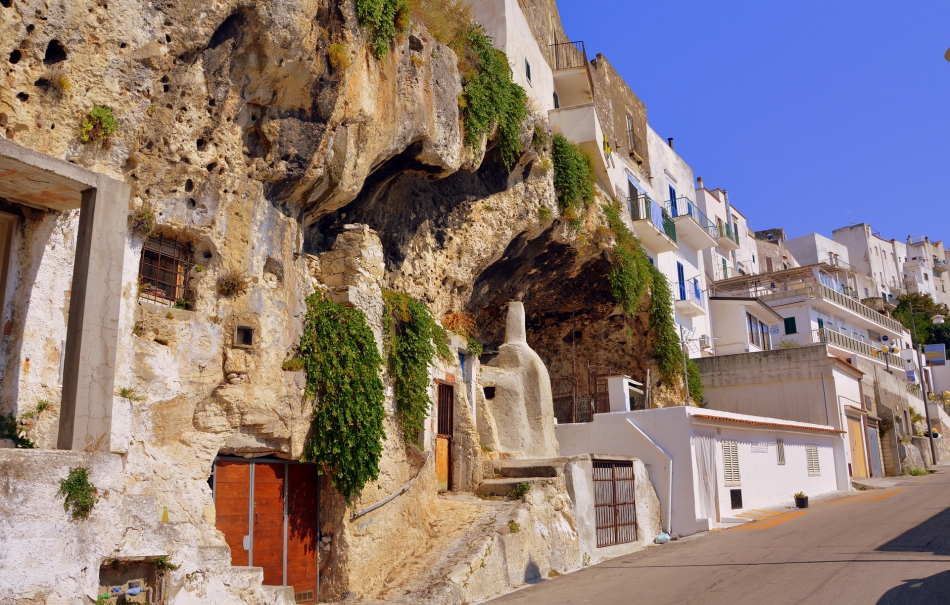
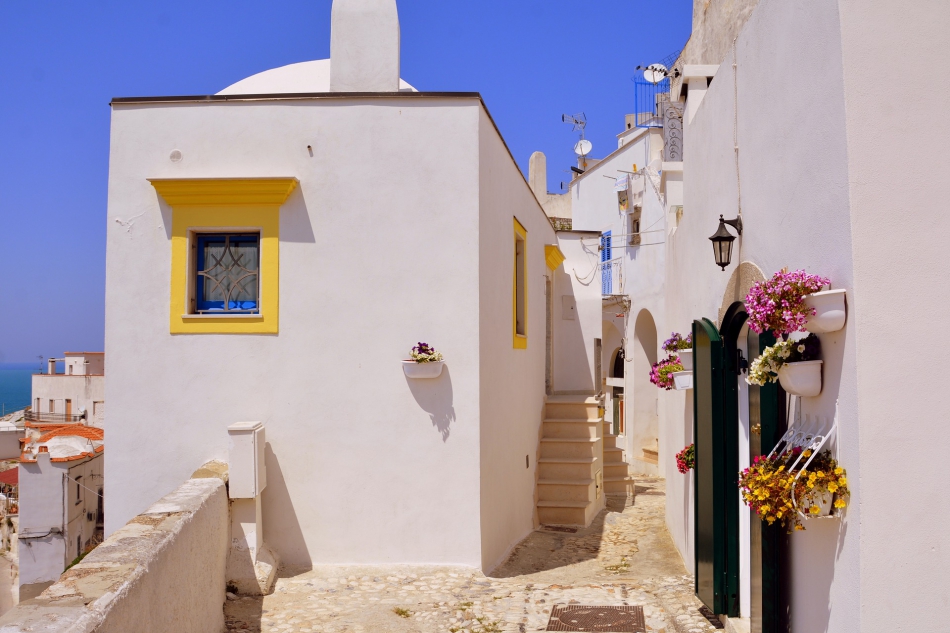
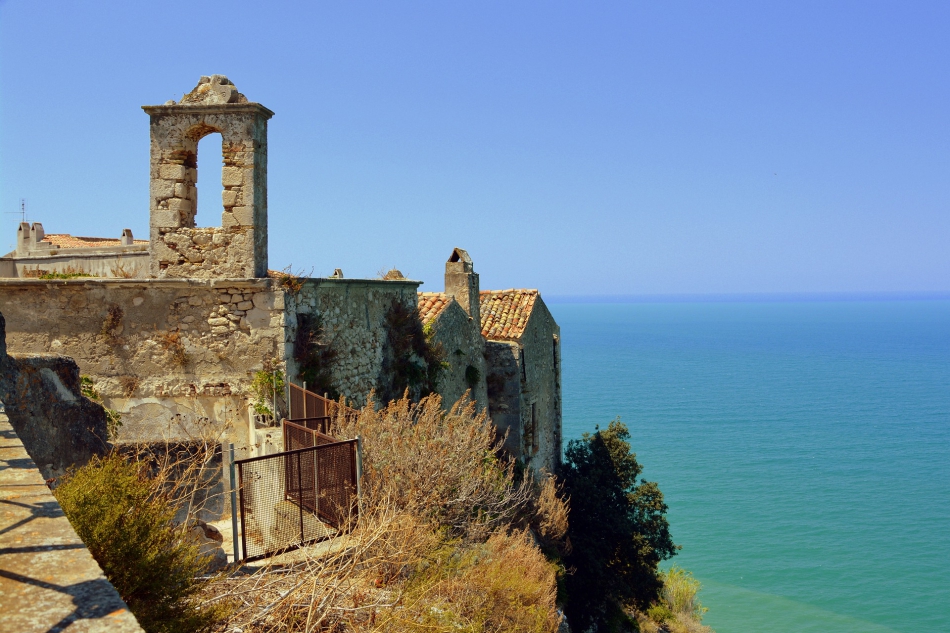
The historic center of Peschici is visited every year by thousands of tourists. It is traditional and picturesque and has the peculiarities typical of the historic centers of other Apulian villages, for the houses built directly into the rock, for the scents and for the colors that characterize the environment. During the hottest periods of the year, festivals and city feasts are often organized as unique occasions to visit the country and to taste typical dishes and products.
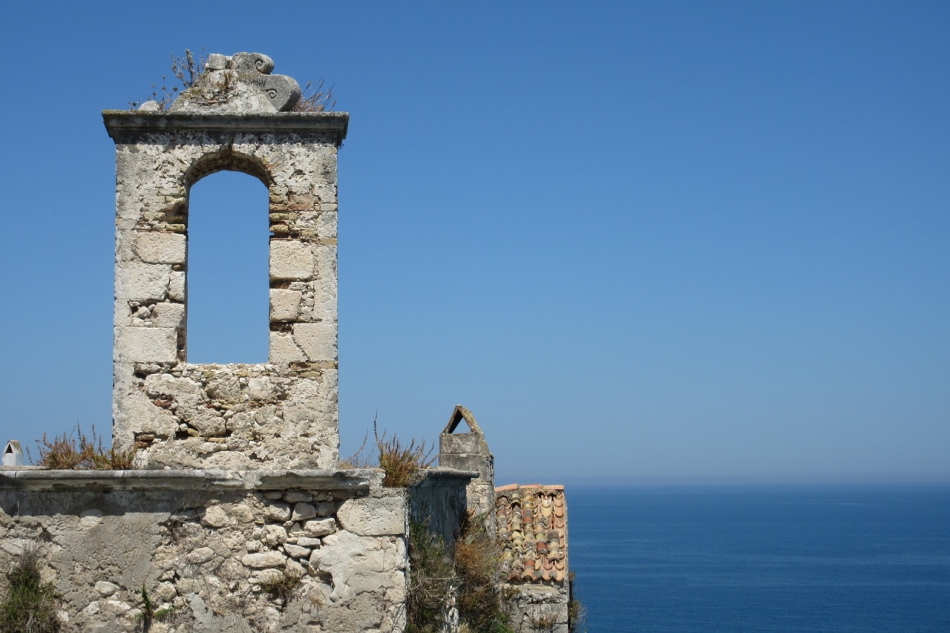
Access to the ancient village of Peschici from the "new" center (Corso Garibaldi) is marked by an arch and a watchtower dating back to the Angevin-Aragonese period (1300 -1400) which the Peschiciani call "Porta del Ponte", in memory of the drawbridge that closed the village at every sunset to protect it from brigands. The entrance from the sea, at the foot of the Peschici Castle, corresponds to today's Via Porta di Basso, so called because of the presence, in the past, of a secondary access door reserved for laborers and fishermen who "climbed" from the bay and surrounding fields back home. The nucleus of houses that today constitutes the historic center of Peschici is a mixture of different architectural styles, domed houses and pitched roofs, the expression of different historical periods and dominations.
To visit
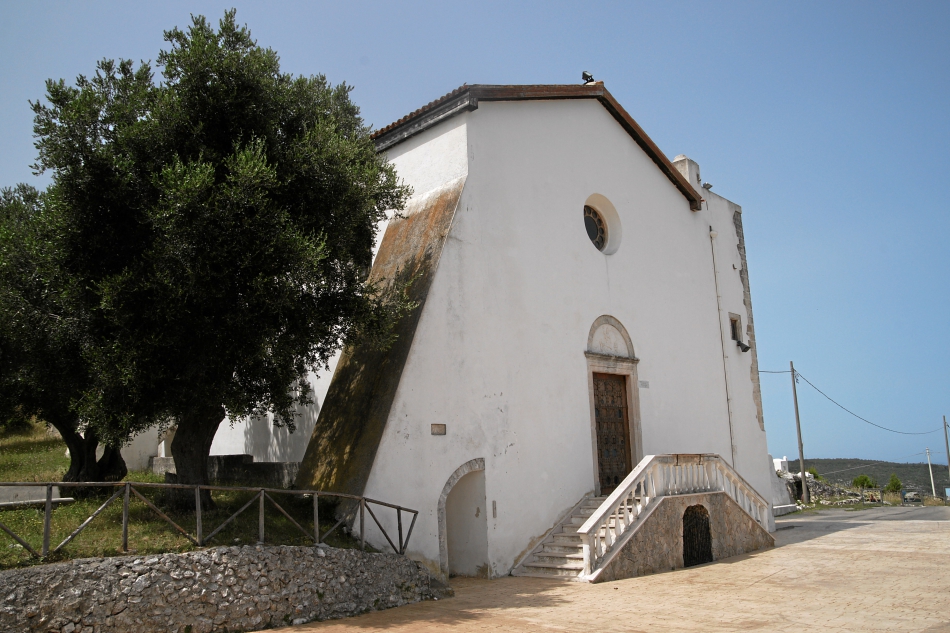
Church of Santa Elia Profeta
Church of Purgatory
Peschici Castle
Calena Abbey